June 13th
Traveling offers numerous ways to deepen one’s understanding of foreign cultures. You can read histories, visit museums, attend concerts, dine at local restaurants, explore schools, sanctuaries, and participate in ceremonies… and, of course, sample local foods and drinks.
An astute reader, familiar with our location, might guess what beverages are produced in Ireland and Scotland and what I should explore. The first stage of this exploration is the delightful creak of a natural cork as you twist and pull it out. Once the bottle is open, the rich aroma of a matured, distilled grain product fills the air. Savoring it invigorates bodily functions… more so cognitive functions at an older age! The mind opens up, barriers built by norms dissolve, and the full spectrum of creativity is manifested in recent works. It’s no wonder that the delight and unique impact of these products on human well-being have been written about and sung for centuries—if not thousands of years.
The sad reality, of course, is that enjoying these beverages often leads to an attachment and an increased need for more of the substance and more days of indulgence. When the days when the cork creaks outnumber the days it doesn’t, we approach a catastrophic state, leading to the final reckoning and the transition of the drinker from time to eternity. In recent years, I have had to witness this process too often, from a front-row seat. Keeping that firmly in mind, I raise a glass today in memory of those who have passed away and for the good fortune of the remainder of our journey.
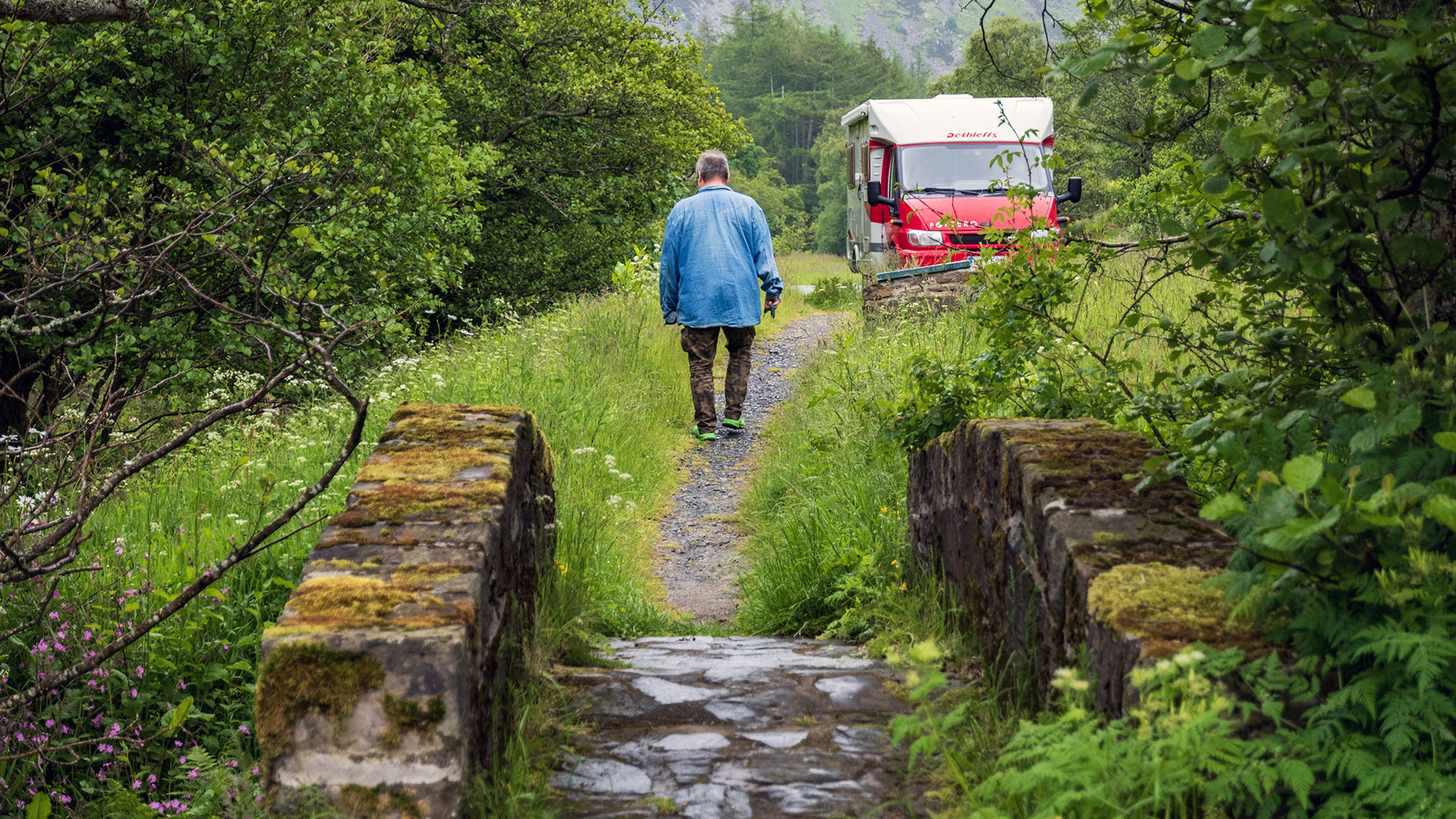
We are sitting in Tellu. The rain is tapping on our skylight, Eva is processing photos, and I am writing these stories. We had a slow morning. We slept alone in Tellu for the first time in a long while and got up only around ten. Sure, our eyes opened earlier, but we both had a backlog of sleep.
After our shower operations, we prepared breakfast sandwiches from the last of the drying bread, along with coffee and juice. Then, without much ceremony, we set off. As a parting suggestion, I recommended that the accommodation switch their internet provider. We had paid five pounds for internet access for a day—a network that couldn’t even handle emails at any point.
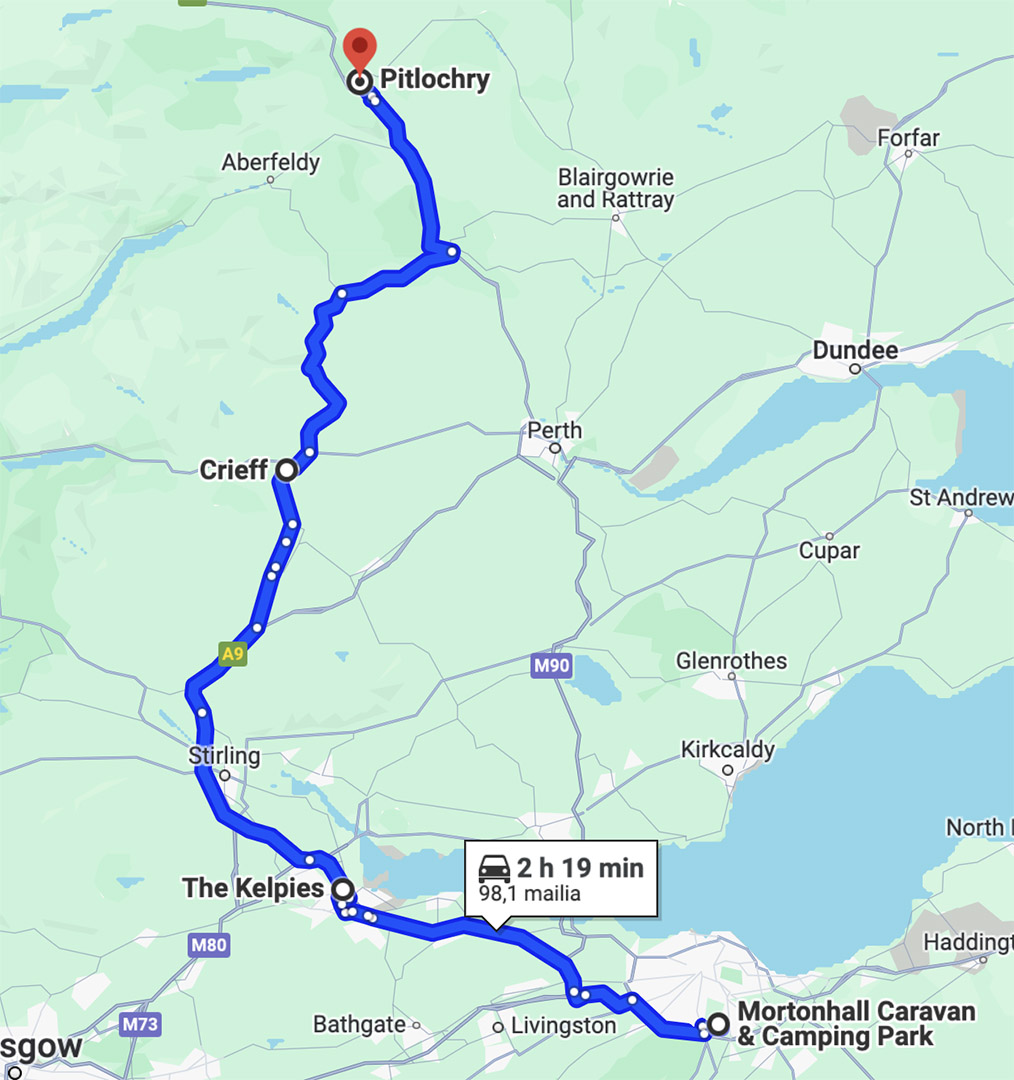
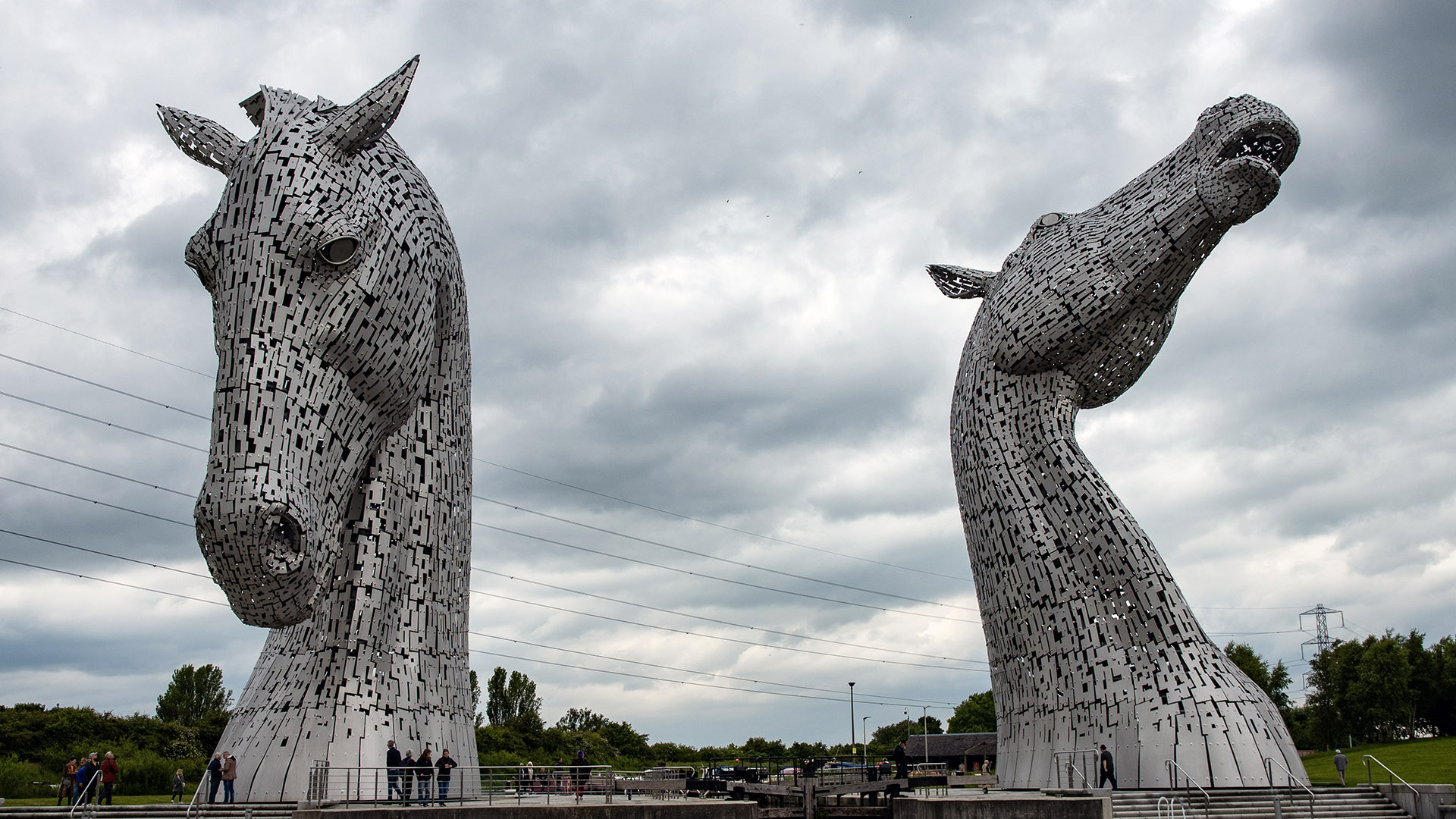
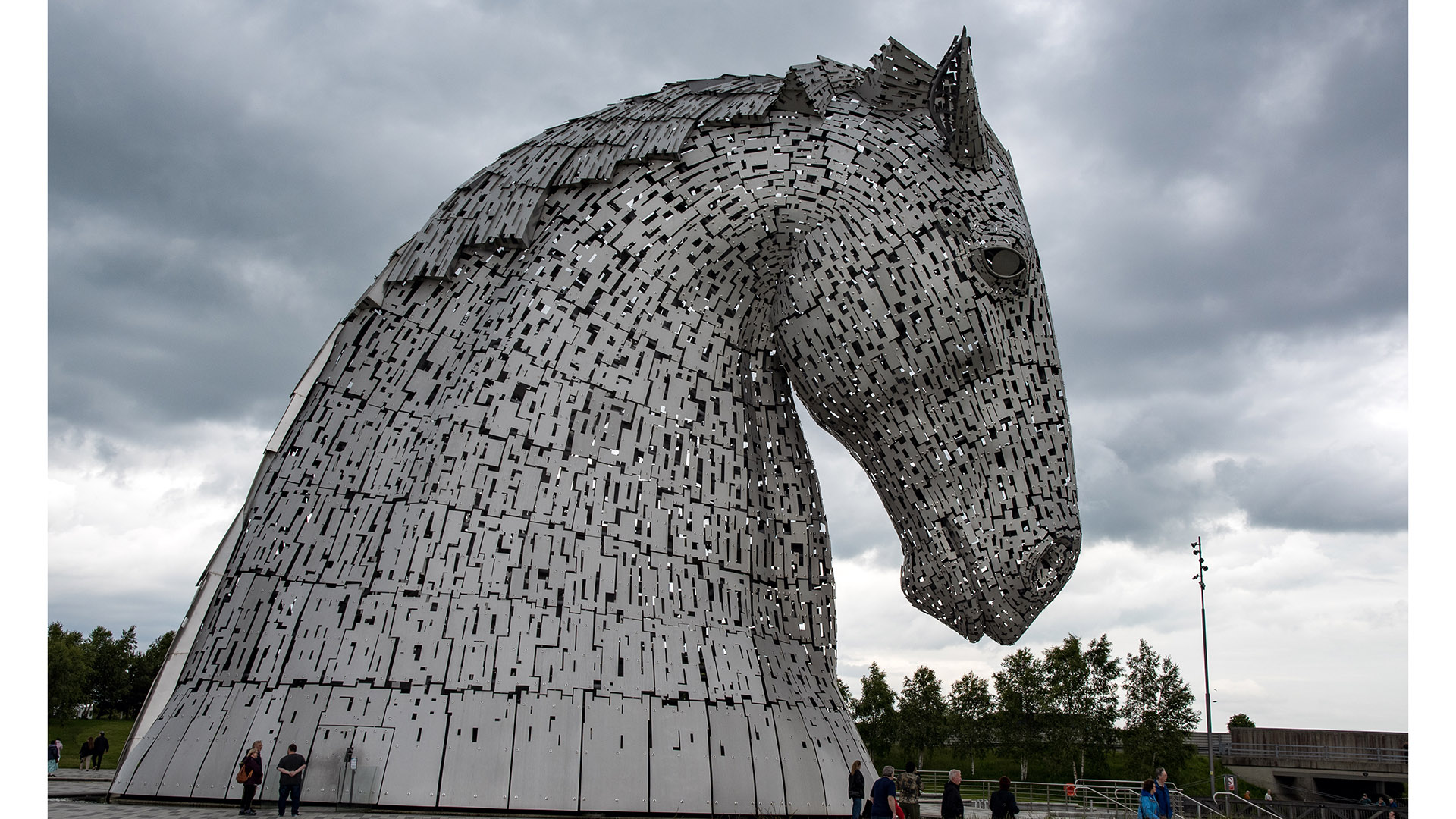
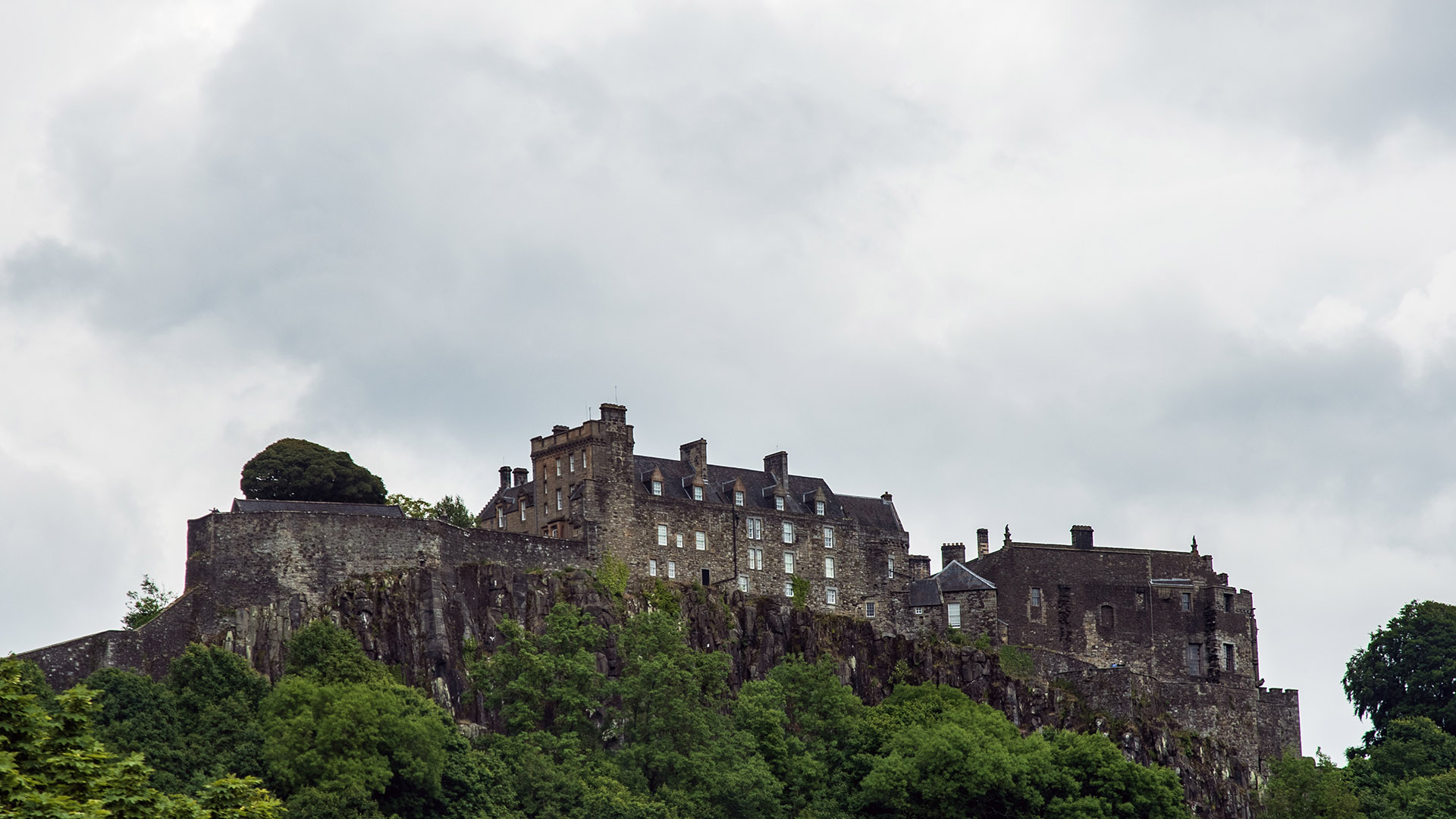
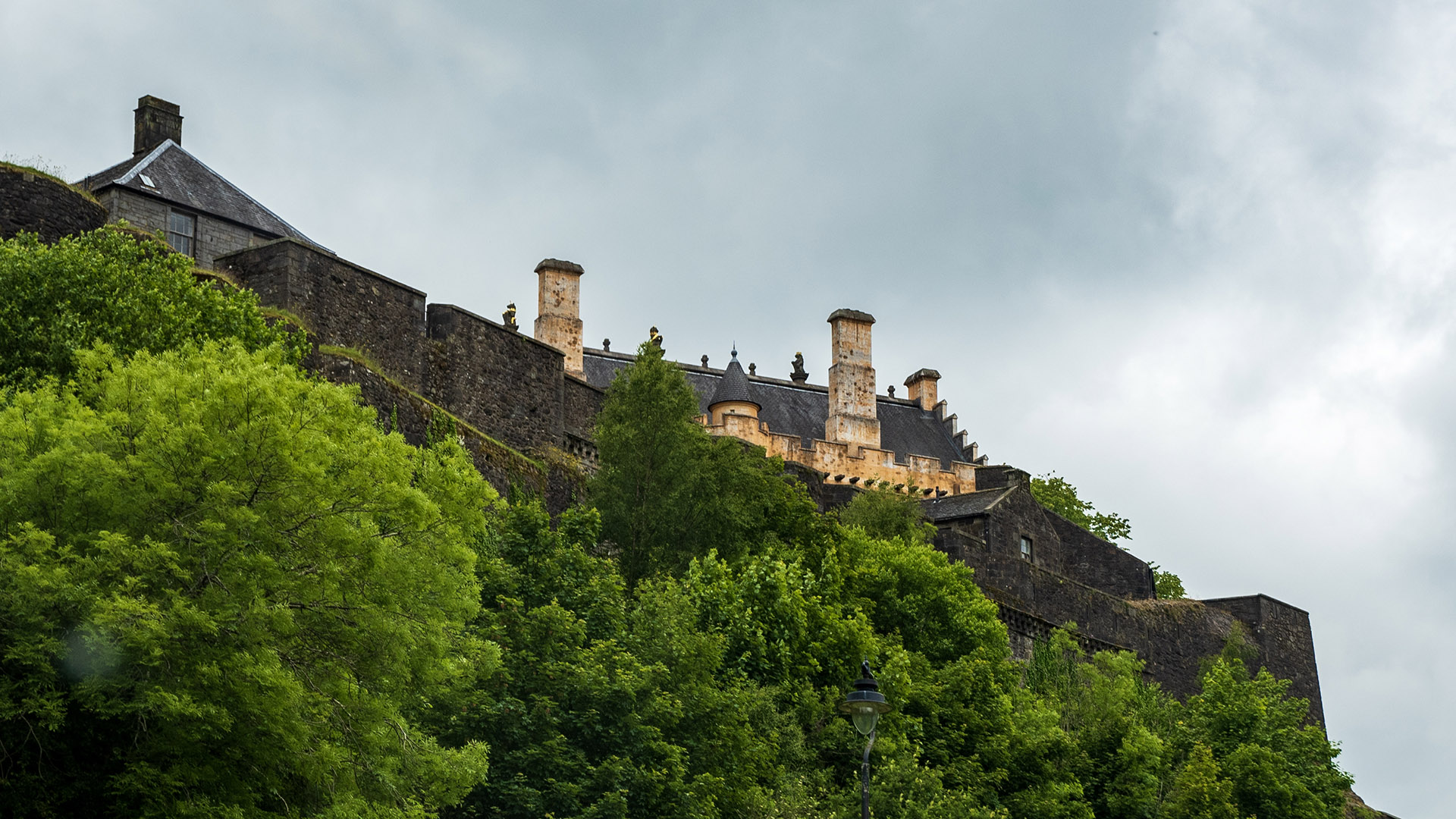
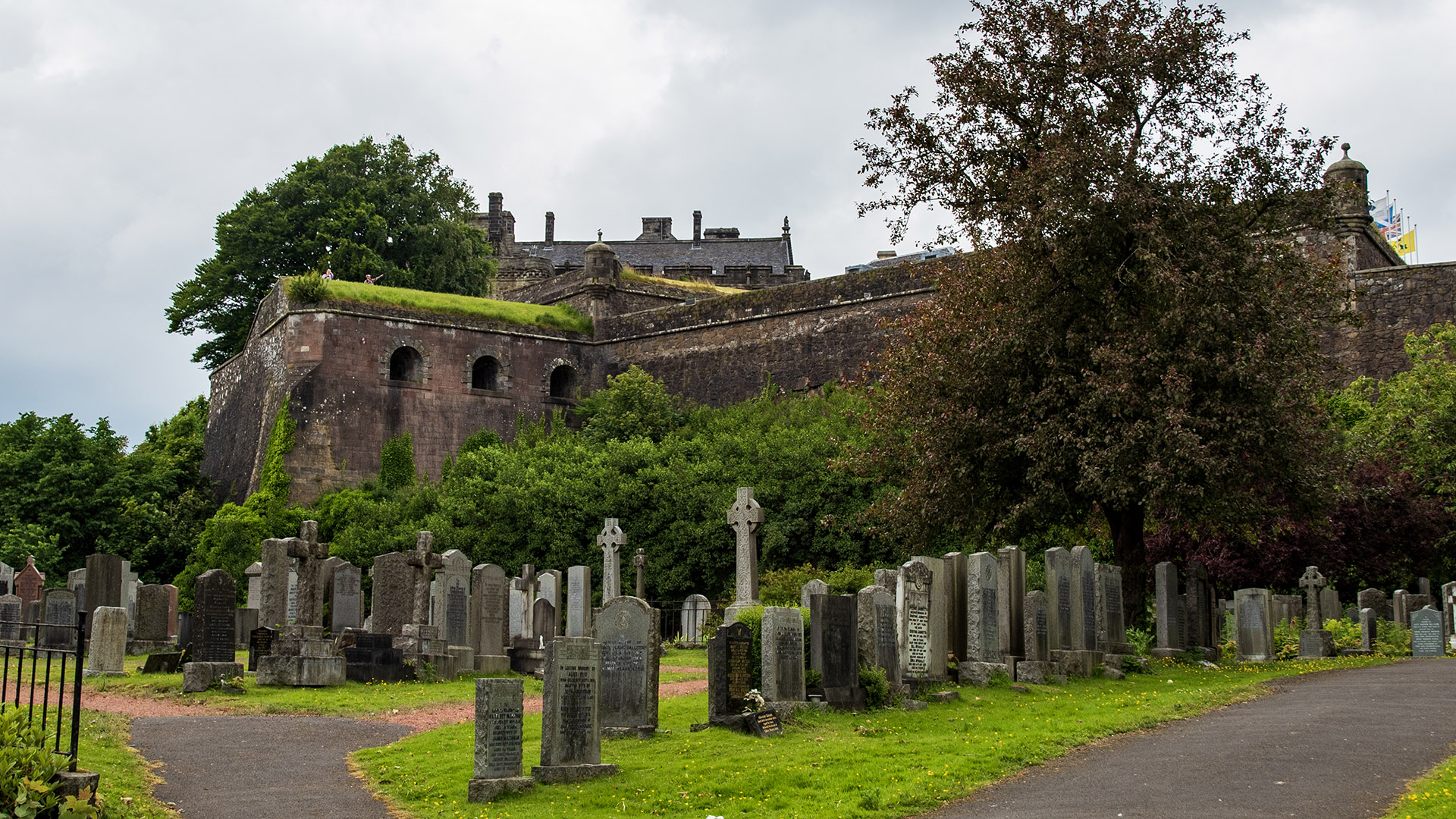
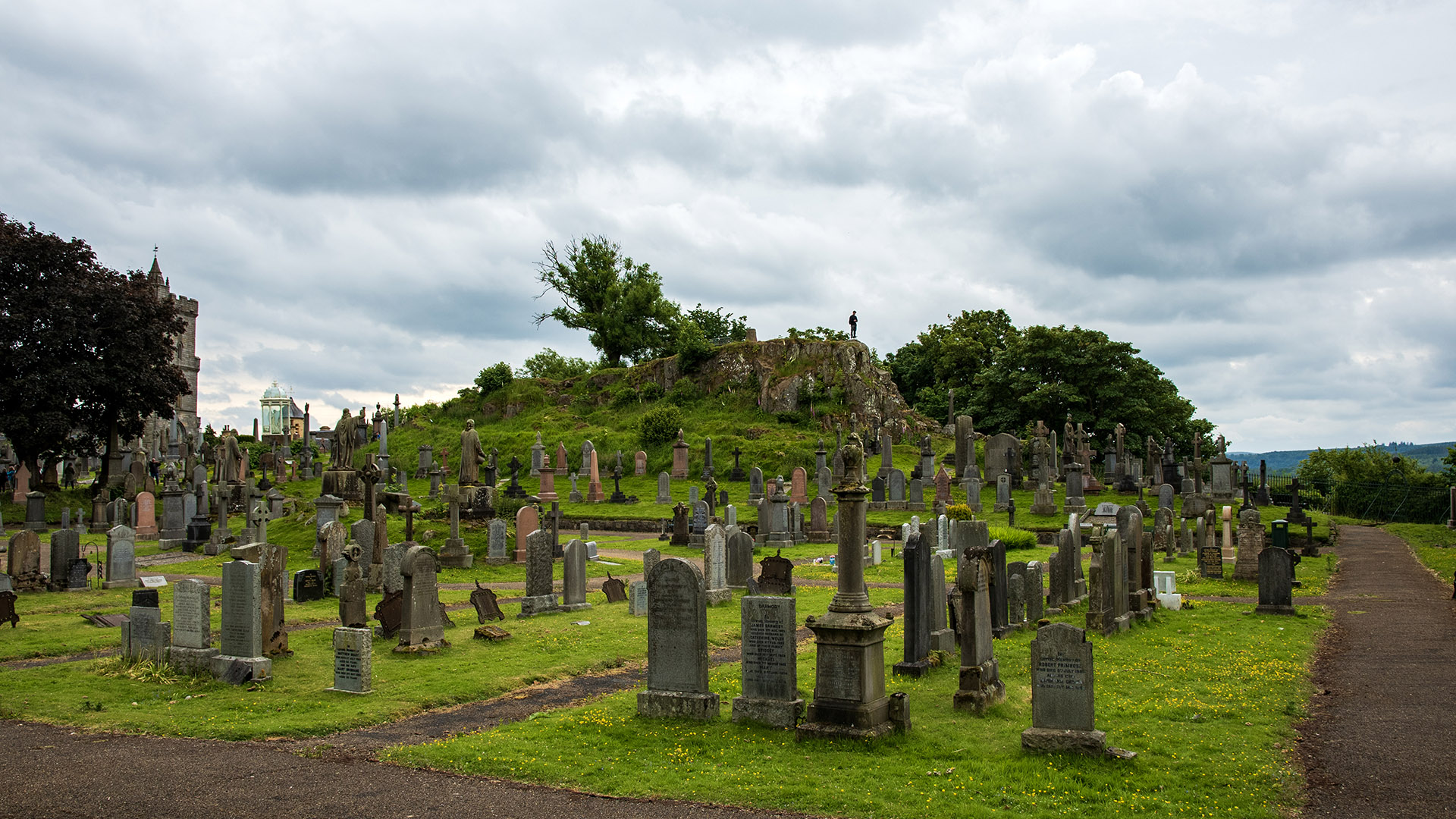
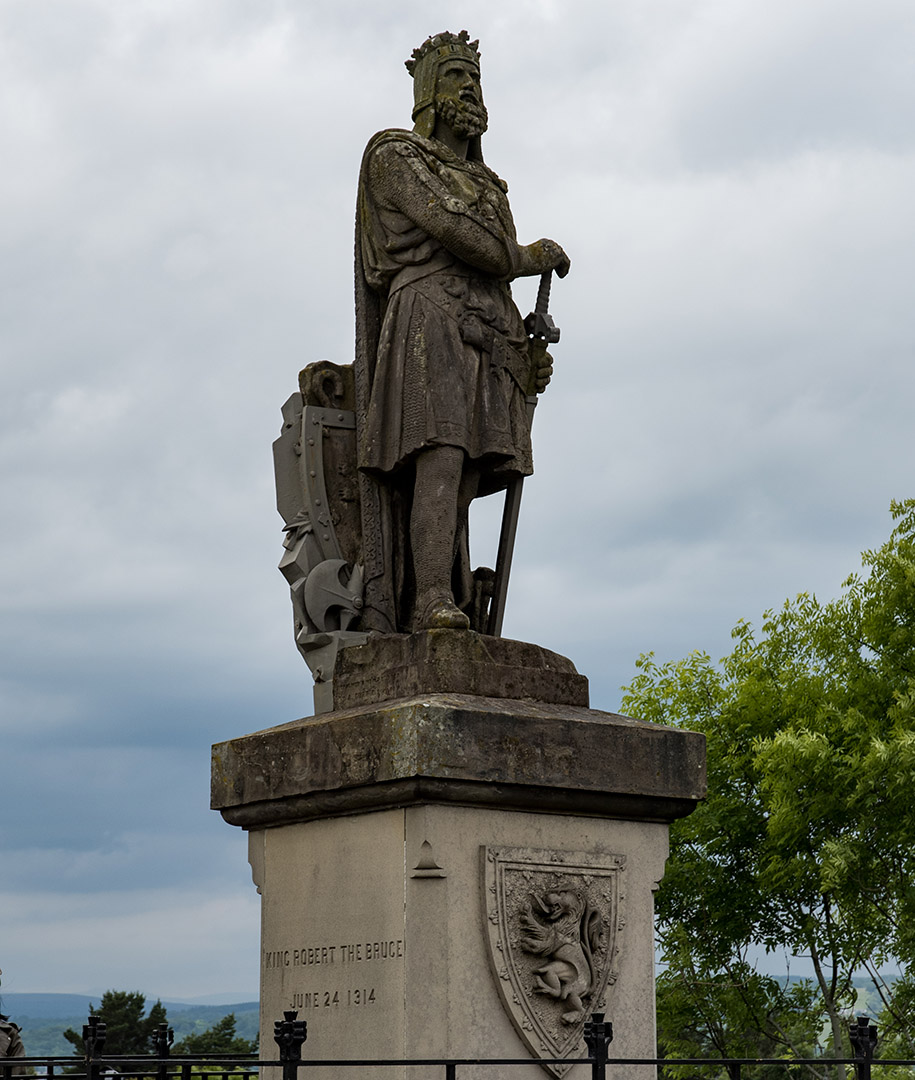
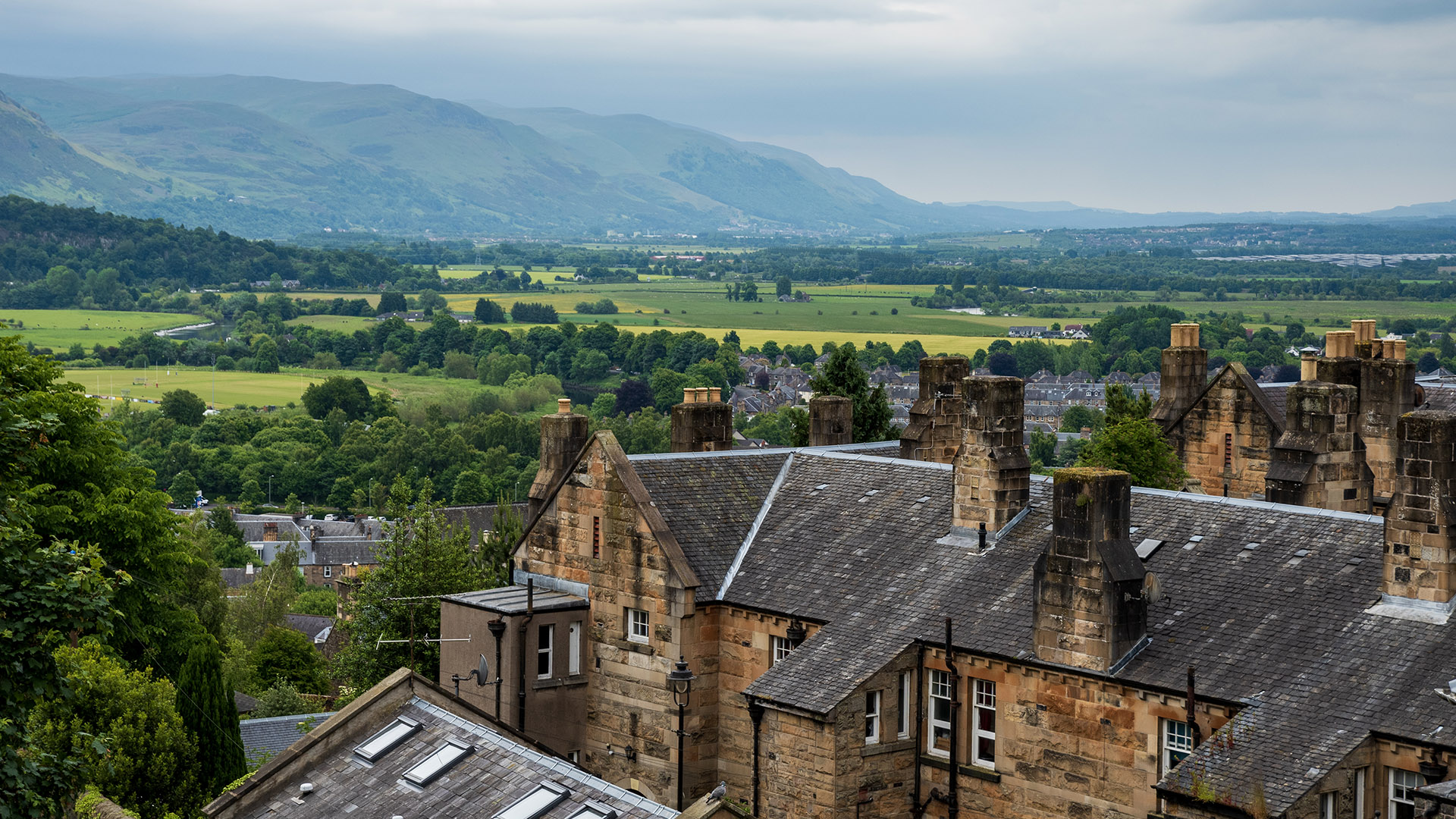
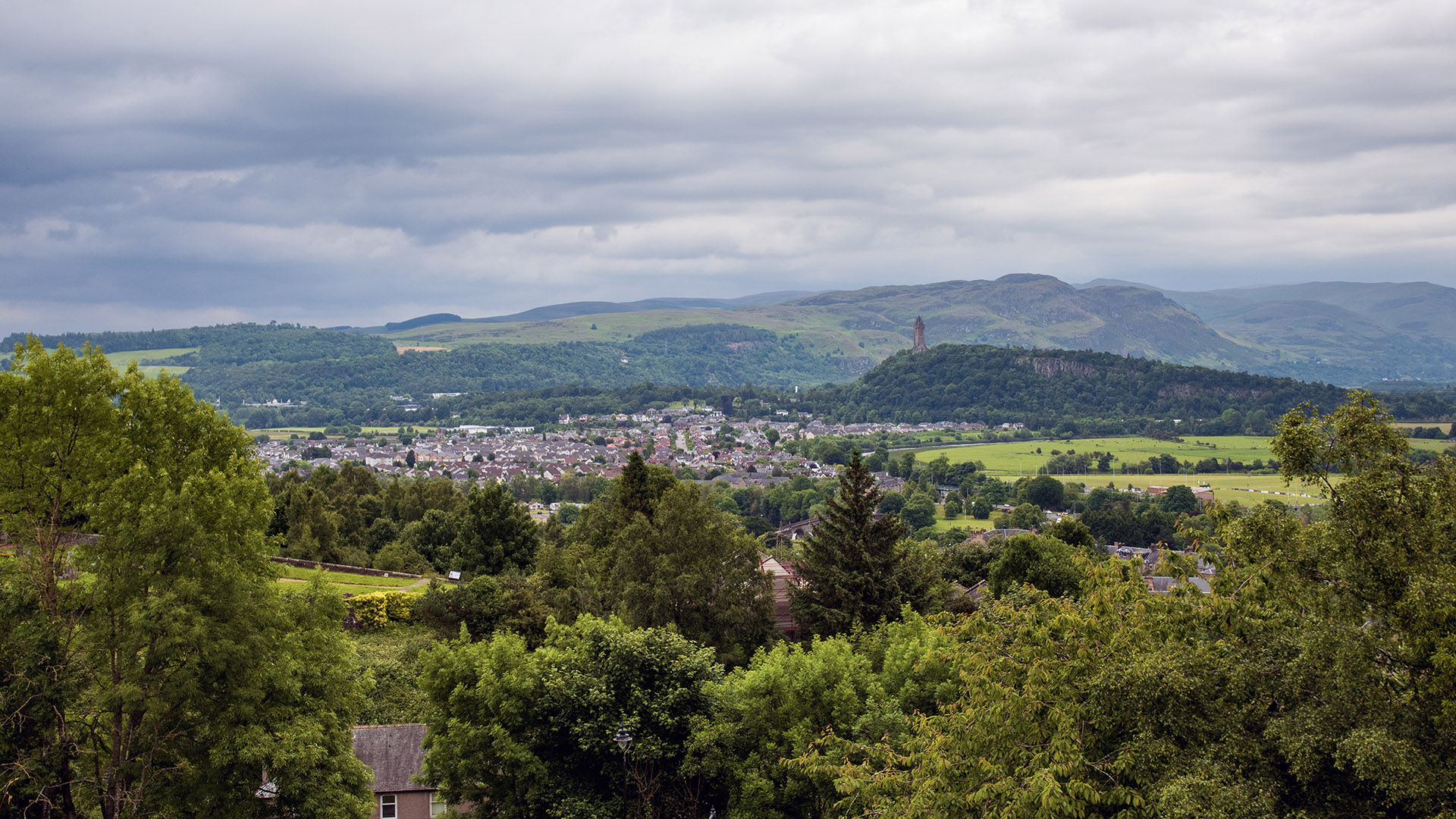
Our first stop was at the Kelpies, where there were rather large artworks of horses. From there, we moved on to marvel at Stirling Castle. There were no parking spaces available, so Eva got out of the car and walked to a good distance for photography. I guarded the car, which was parked in a restricted area during Eva’s outing. A police patrol came by and left after noting that I was in the car. Though I only moved the car a small distance forward.
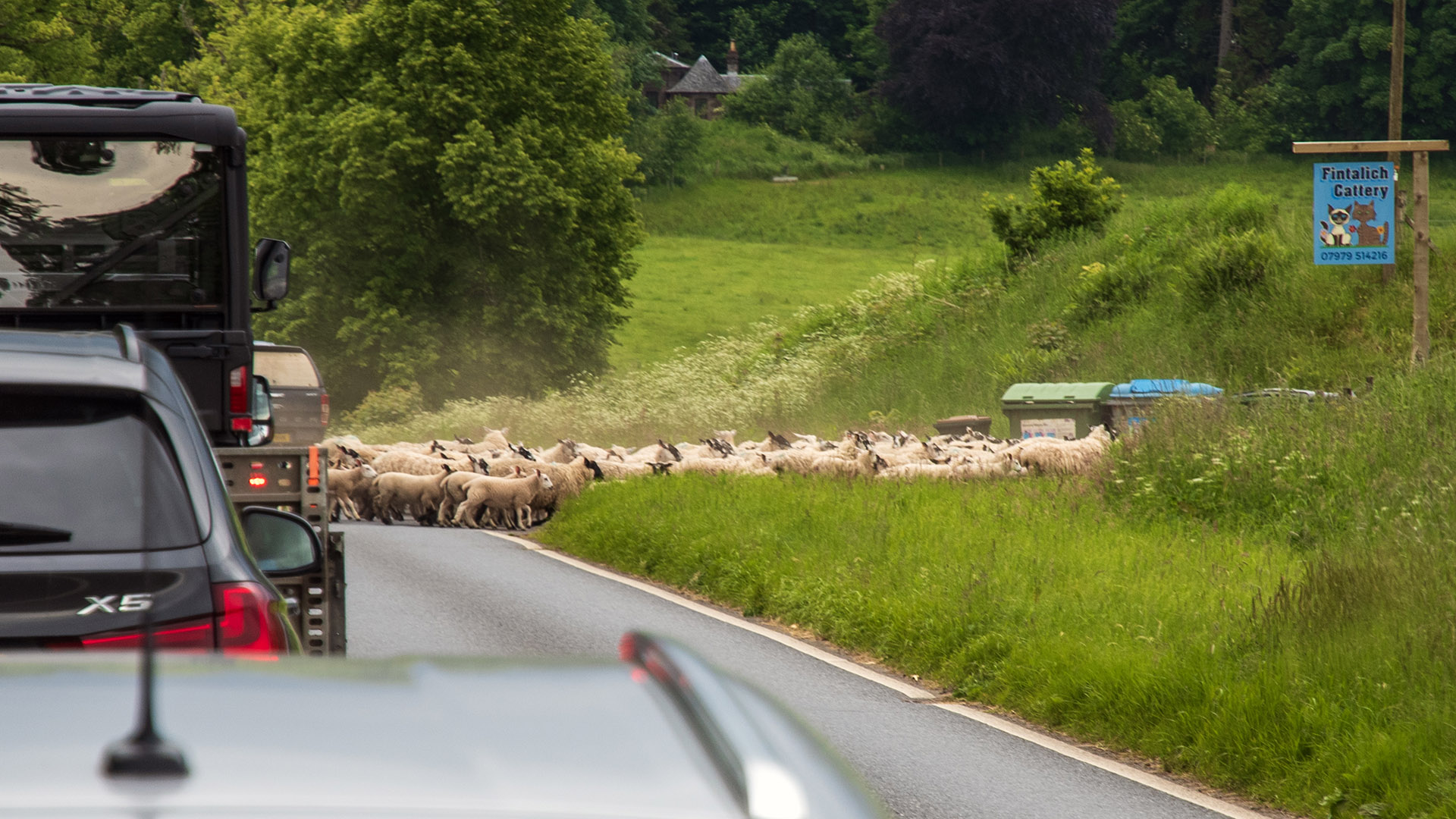
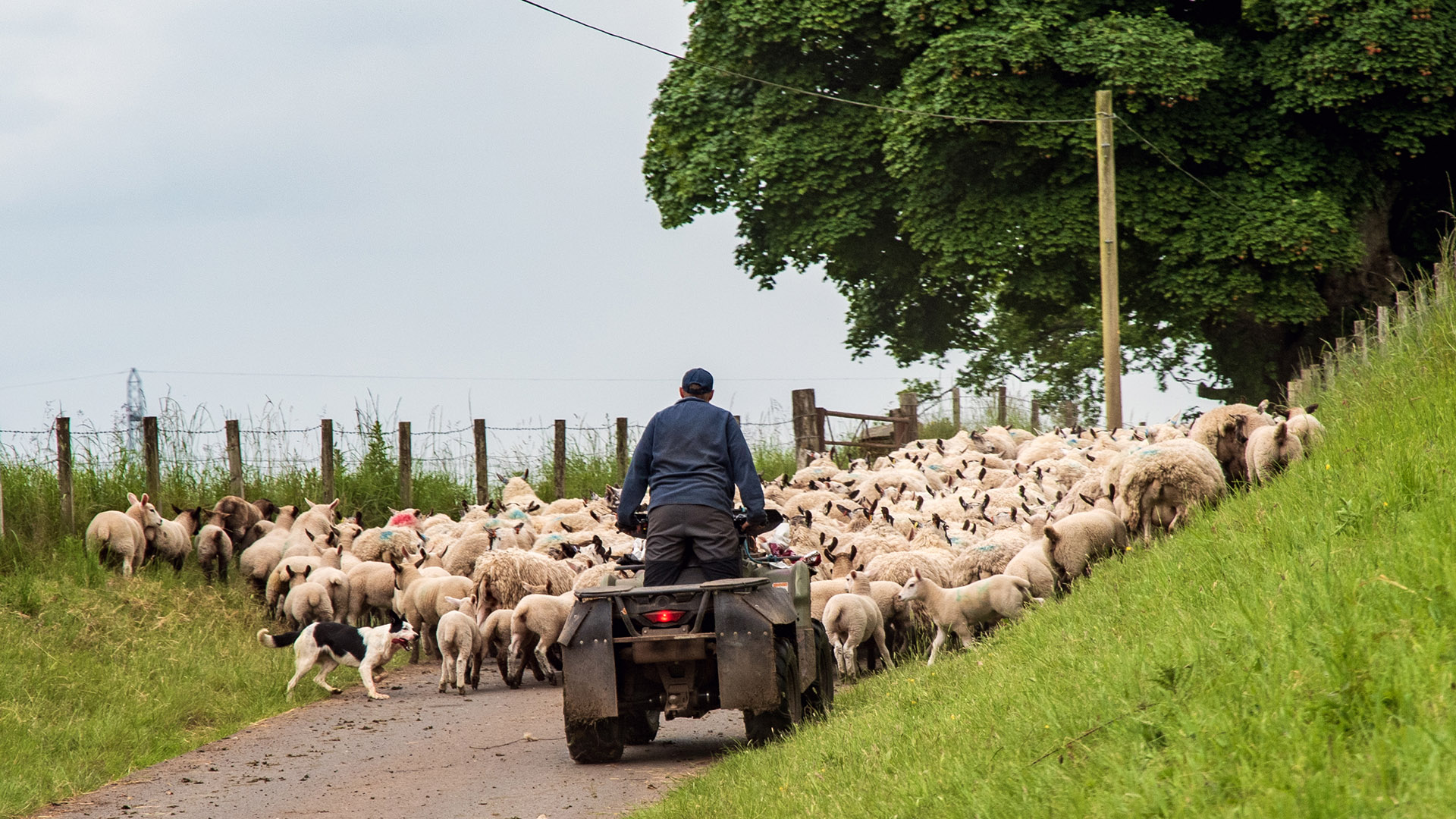
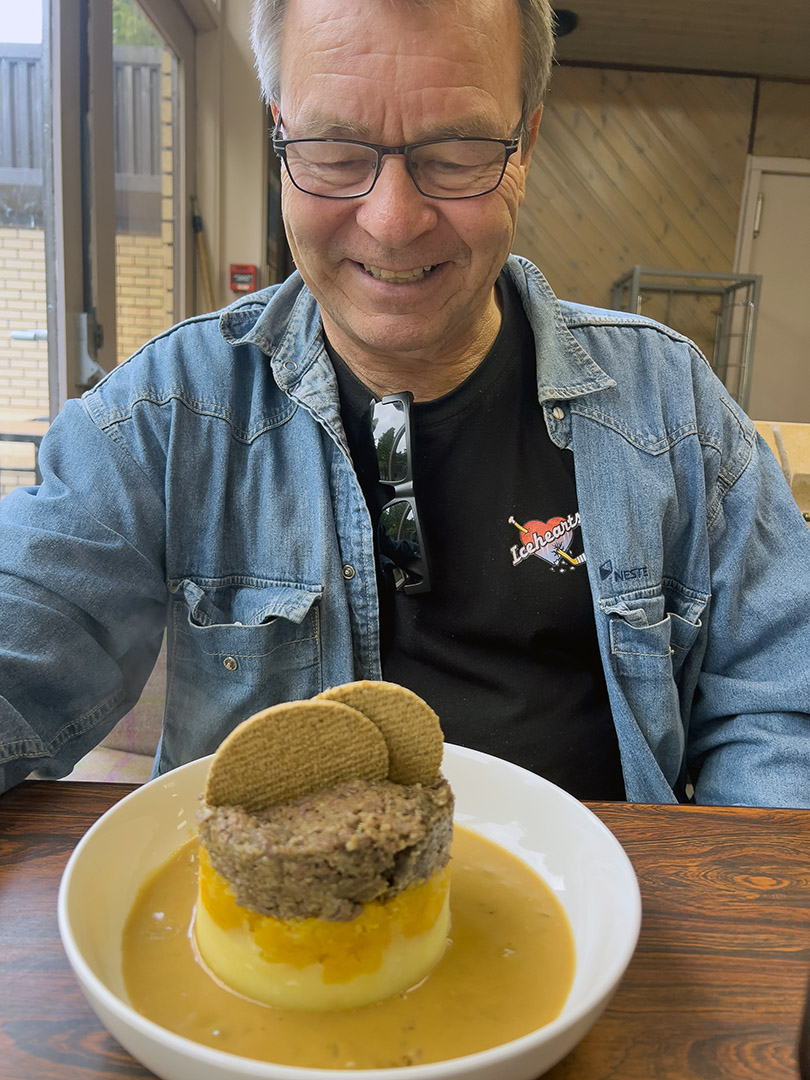
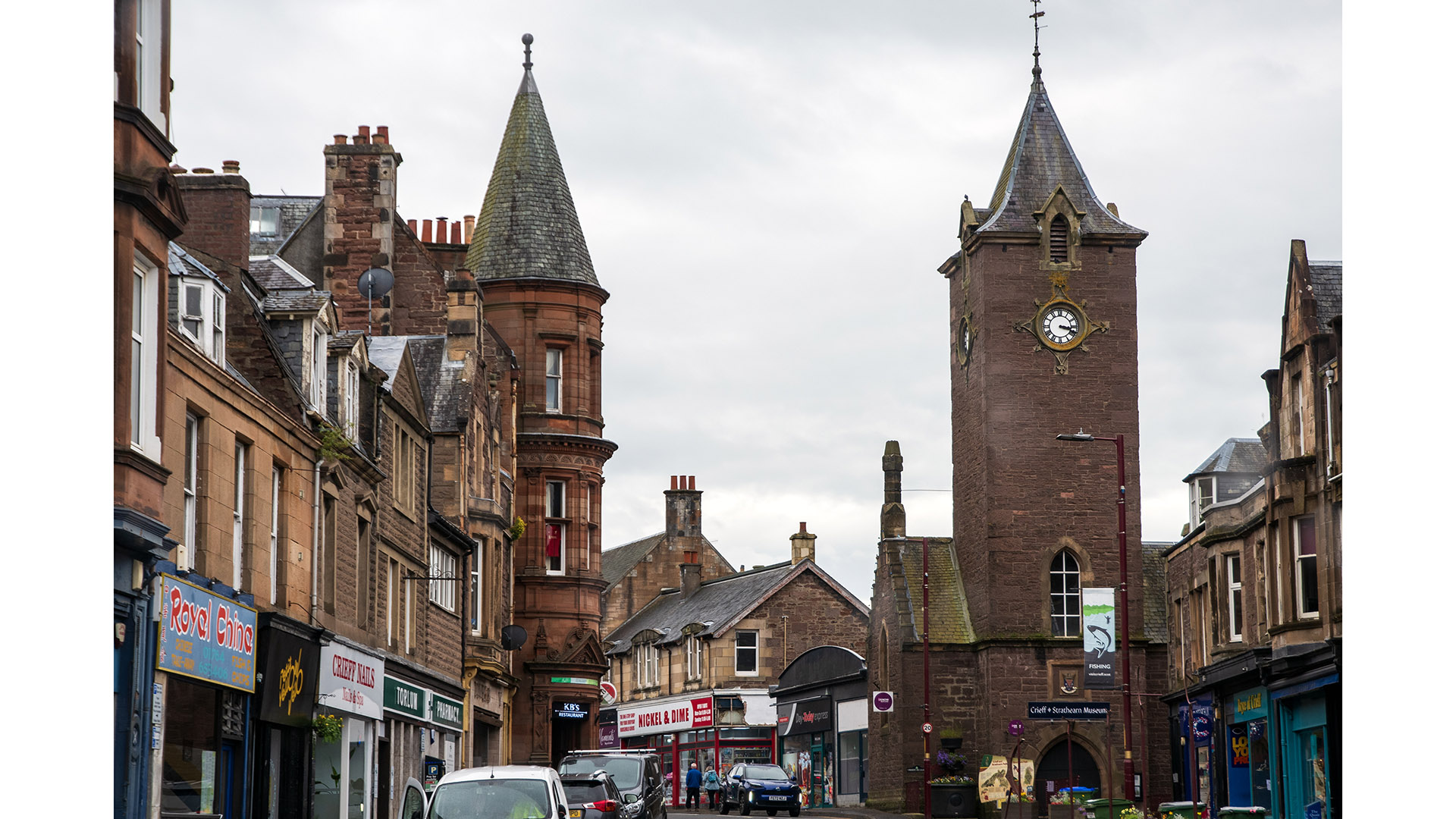
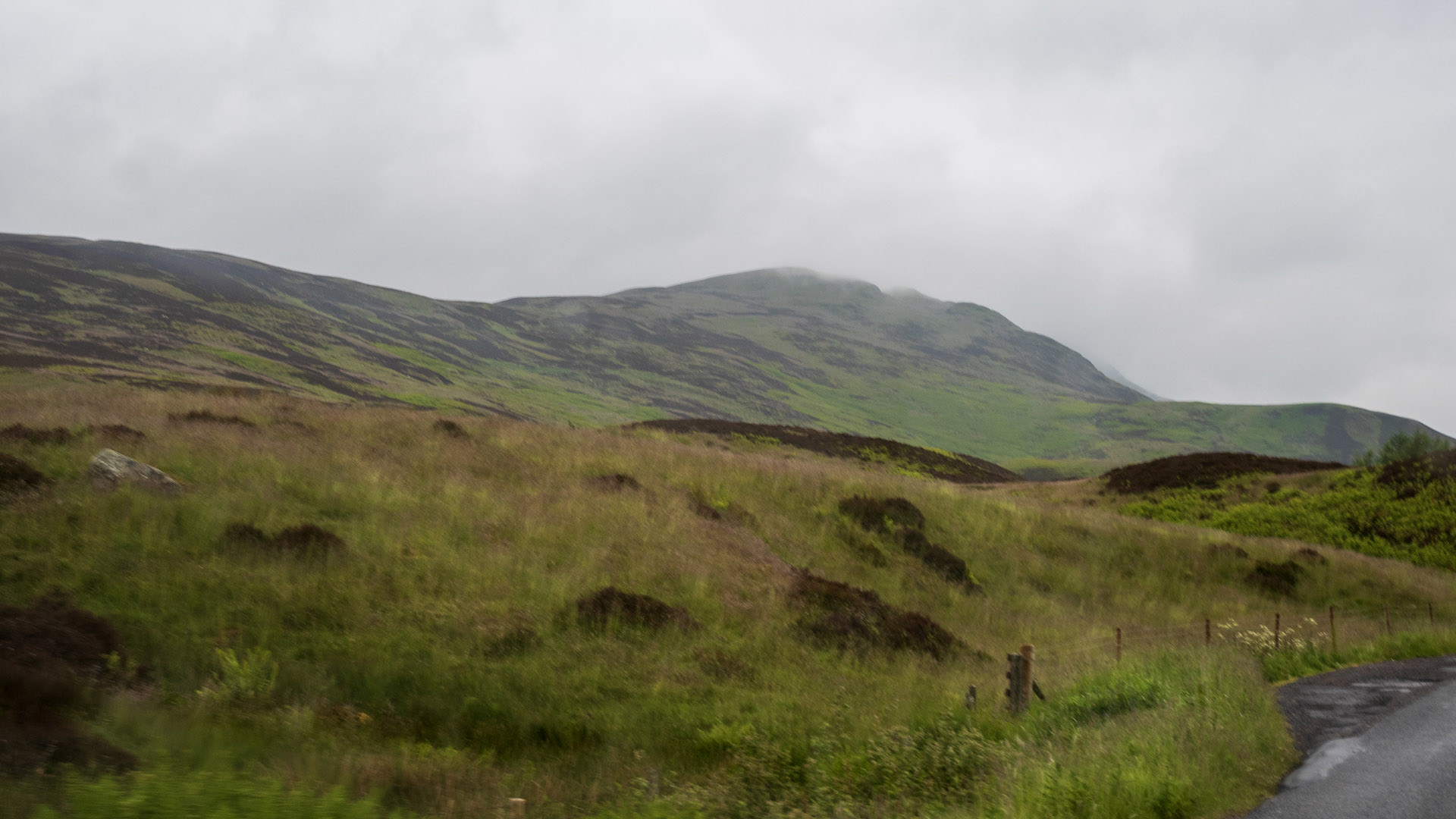
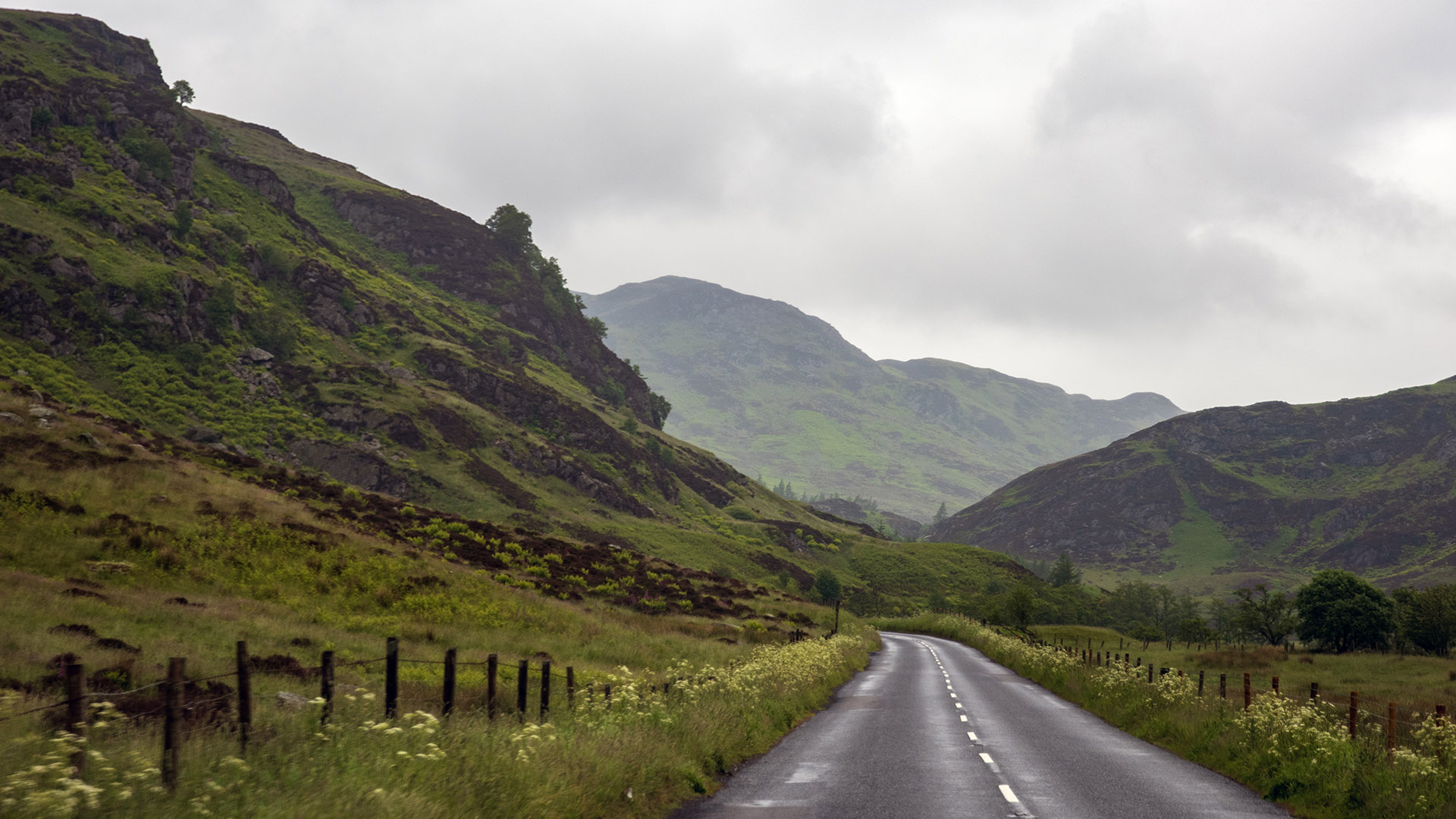
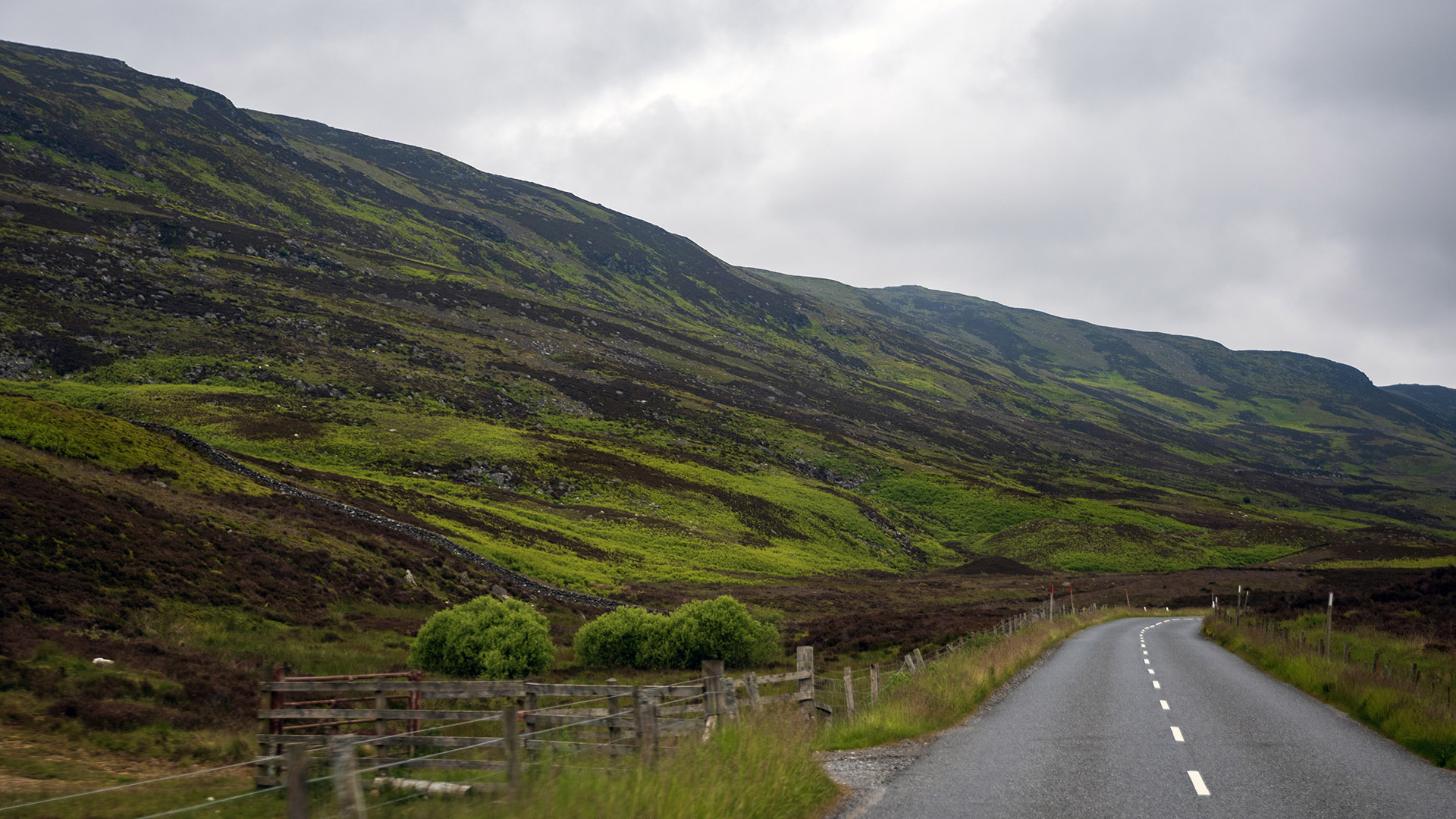
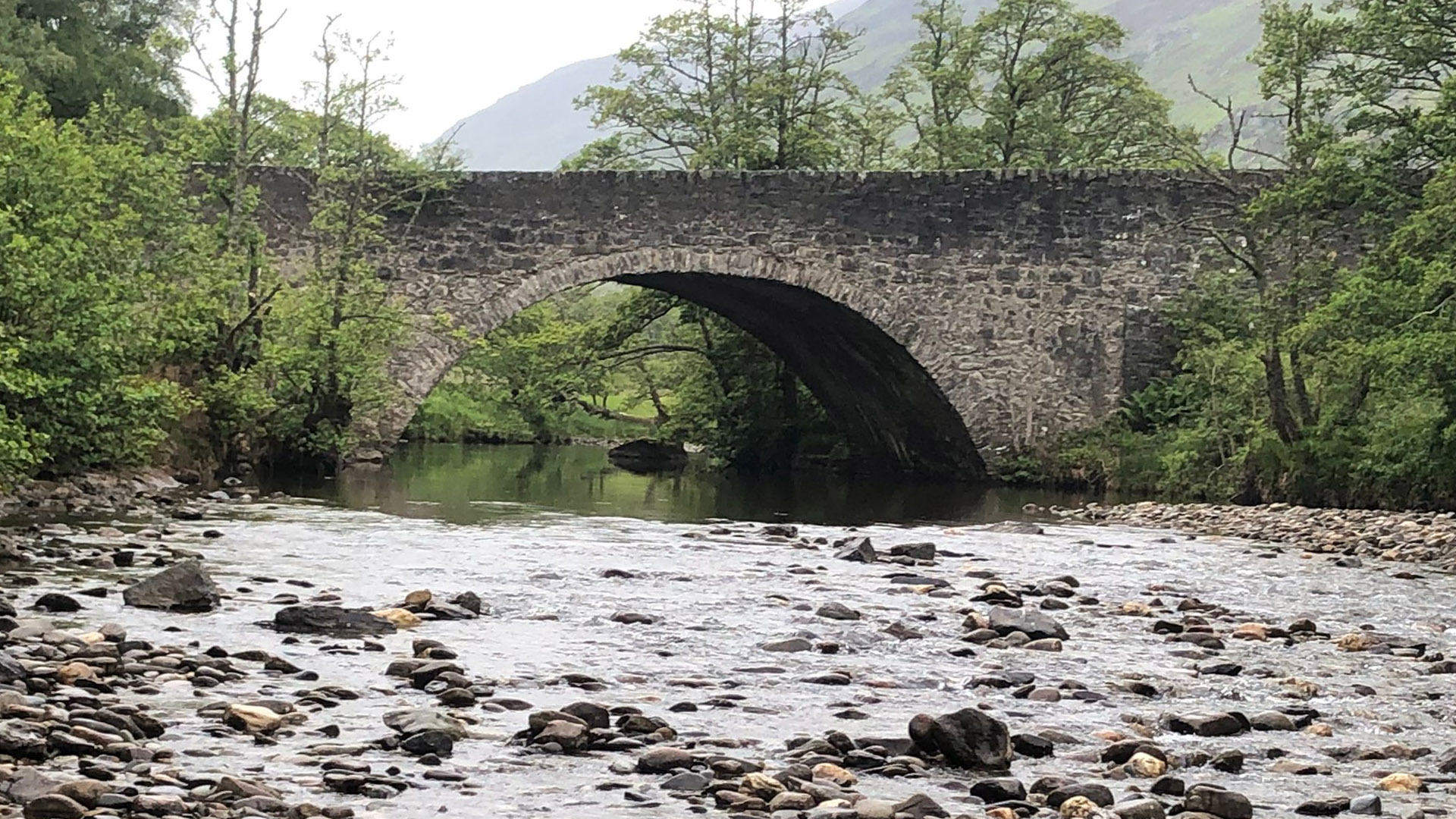
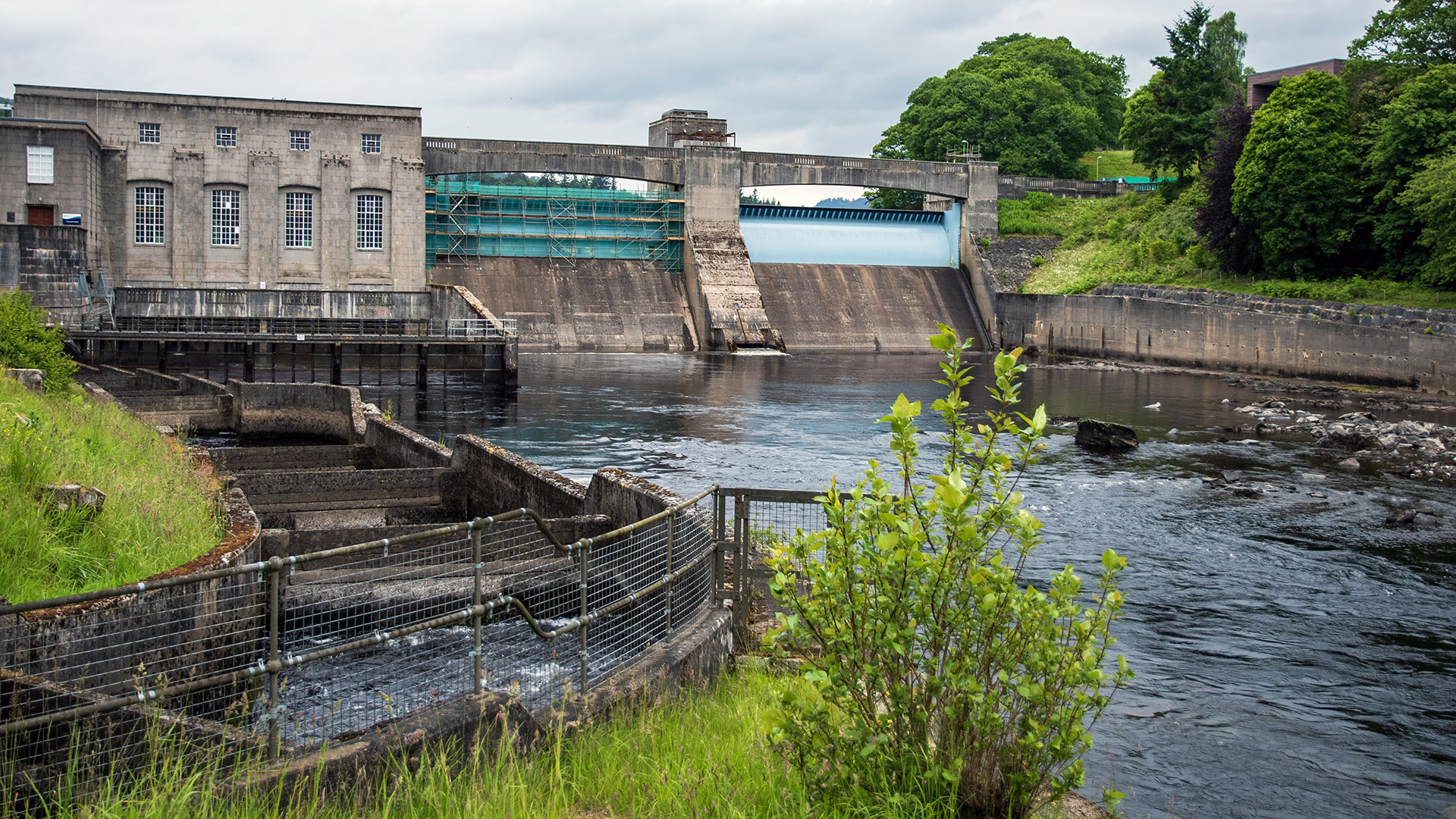
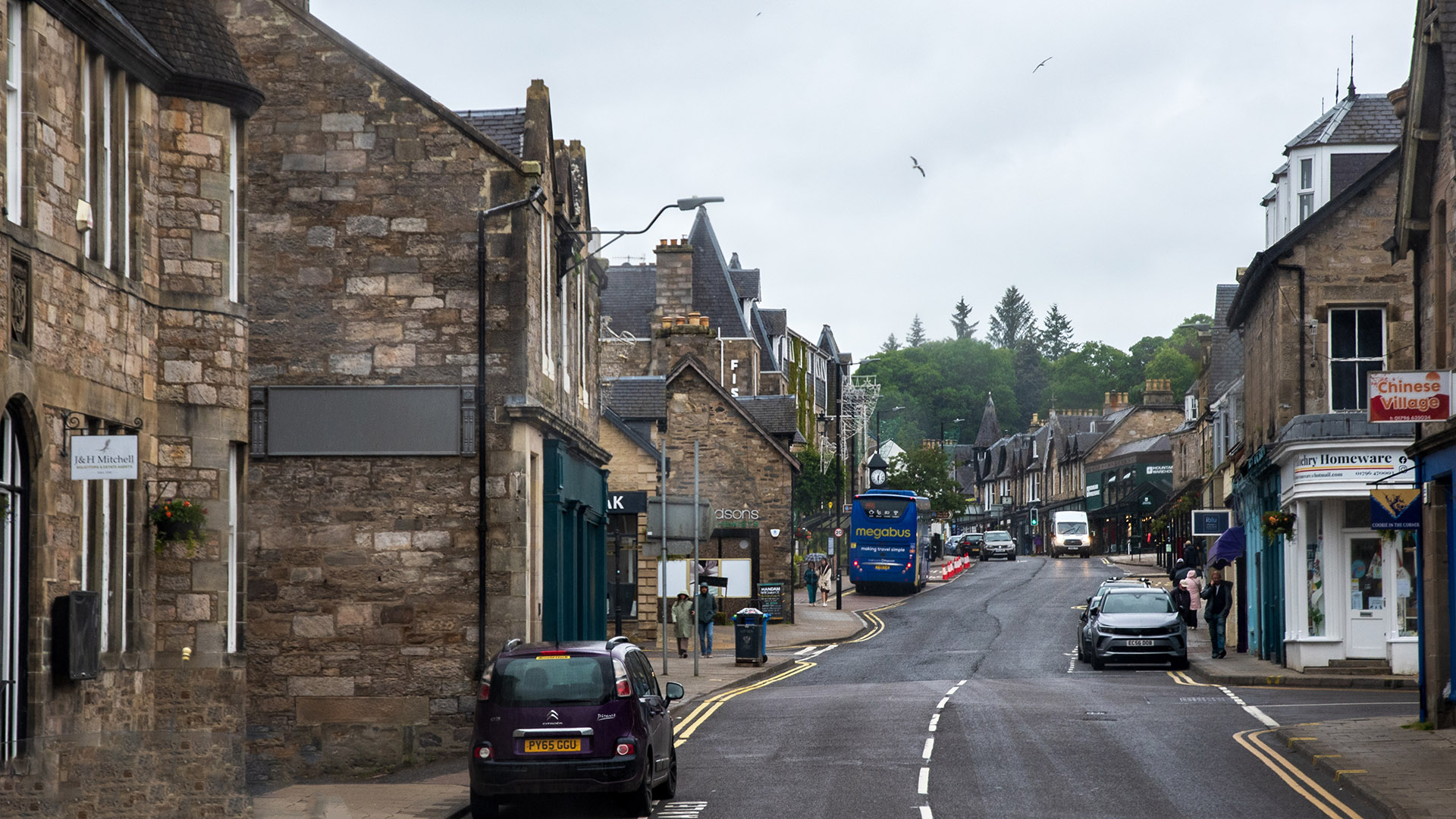
Next, we set the navigator to Pitlochry Fish Ladder. As we set off, I noticed a sign on the roadside indicating that a tourist route to our destination started at the next junction. Naturally, we chose that and left the motorway for the slower country roads. And that was a good decision! We found a visitor center in the village of Crieff for lunch. There we had lunch, and I got to try the traditional Scottish dish, haggis. Eva informed me after the meal about what it was made from. That, too, was a good choice! We wrote postcards to the grandchildren, mailed them, and continued on the country roads to Pitlochry!
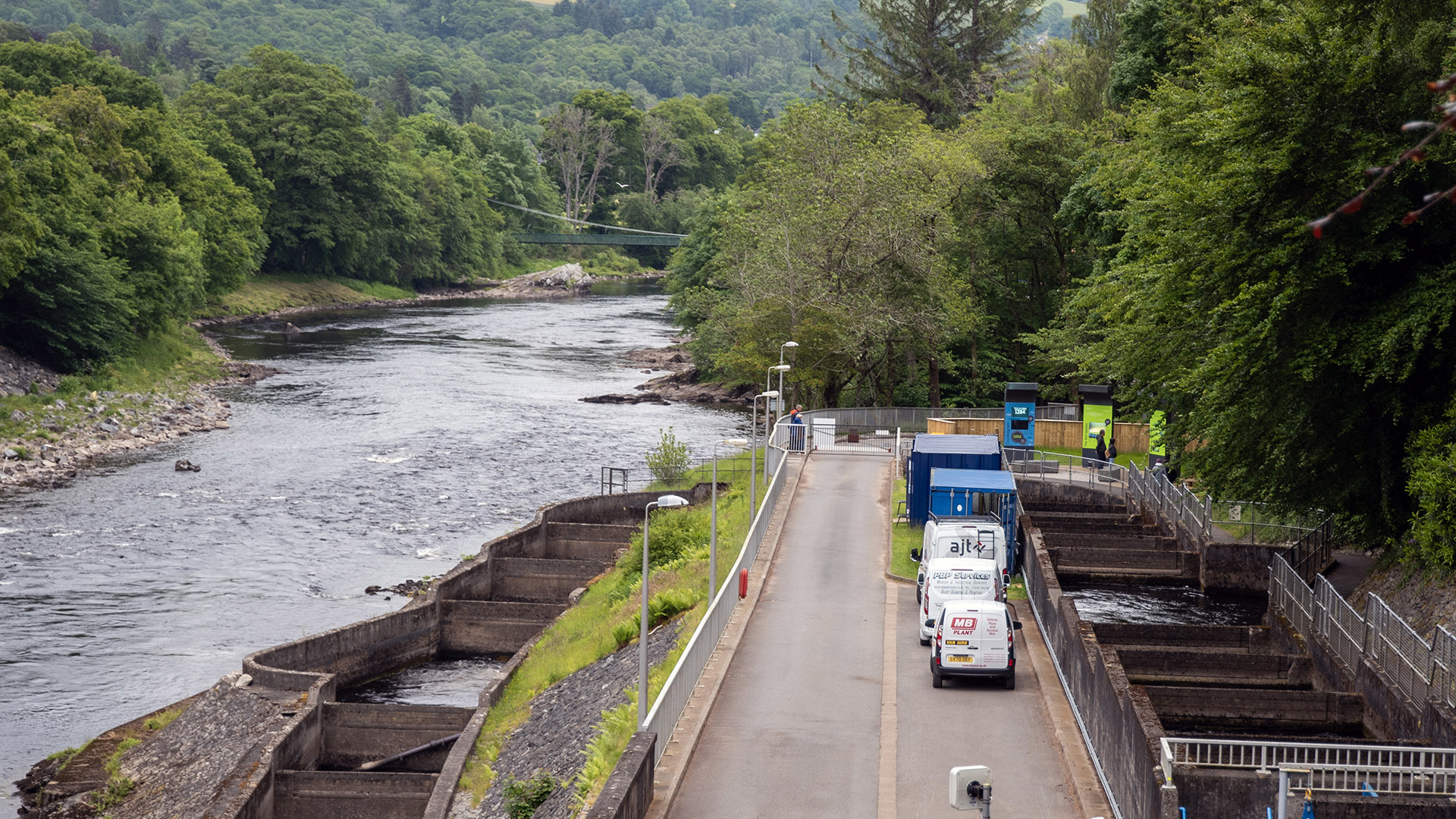
I was last here over 40 years ago with my child’s mother and my child. My child probably doesn’t remember a thing about it. I, on the other hand, remembered this place surprisingly well. There have been changes over the 40 years. The caravan park, the theater building, and additional structures with information centers by the fish ladder. The number of salmon has also changed. They have been counting the number of migrating fish here for over 70 years. They also catch smolts (2-4 year old juvenile salmon) heading out to sea, implant them with a tag, and the device installed at the ladder detects when the fish return to spawn in their birth river after their sea migration. I would call the research work done here somewhat pioneering and commendable. I saw a few migrating salmon on a video that captures the fish moving up the ladder. I watched others in the stream below the power plant. There were significantly fewer there than 40 years ago. The reasons for this decline in the population are being investigated here by researchers as well. Climate change is on the list, as is overfishing of food fish stocks in the Atlantic. There is no definitive information on the subject at the moment. The only thing that is certain is that the number of salmon returning to the river to spawn is decreasing year by year!
The rain is playing a lullaby on Tellu’s roof. Eva is preparing a late-night snack. A hint of tiredness creeps in. Tomorrow, probably towards Inverness. The route is still undecided! Smaller roads are much more pleasant to drive on… at least in terms of scenery.